Welcome to Hunt Fish Reload, where we explore the wild and share the knowledge you need to succeed. Today, we're diving into the challenging and rewarding world of coyote hunting. These intelligent predators are a fascinating quarry, demanding skill, patience, and the right approach. Whether you're protecting livestock, managing wildlife populations, or simply seeking an exciting hunt, this article will equip you with the tools you need to outsmart the cunning coyote.
Understanding Your Target
Coyotes are incredibly adaptable, inhabiting diverse environments from deserts to forests. They are opportunistic feeders, preying on everything from small rodents and rabbits to deer fawns and even livestock. Understanding their behavior is key to a successful hunt.
- Vocalizations: Coyotes are known for their distinctive howls, barks, and yips. Learning to recognize these sounds can help you locate them and even mimic them with calls.
- Travel Patterns: Coyotes often follow established trails and game paths. Scouting these areas for tracks, scat, and other signs can reveal their travel patterns and preferred hunting grounds.
- Time of Day: Coyotes are most active at dawn and dusk (crepuscular), but they can also be active during the day or night, especially in areas with less human activity.
Gear Up for Success
Having the right equipment is crucial for coyote hunting.
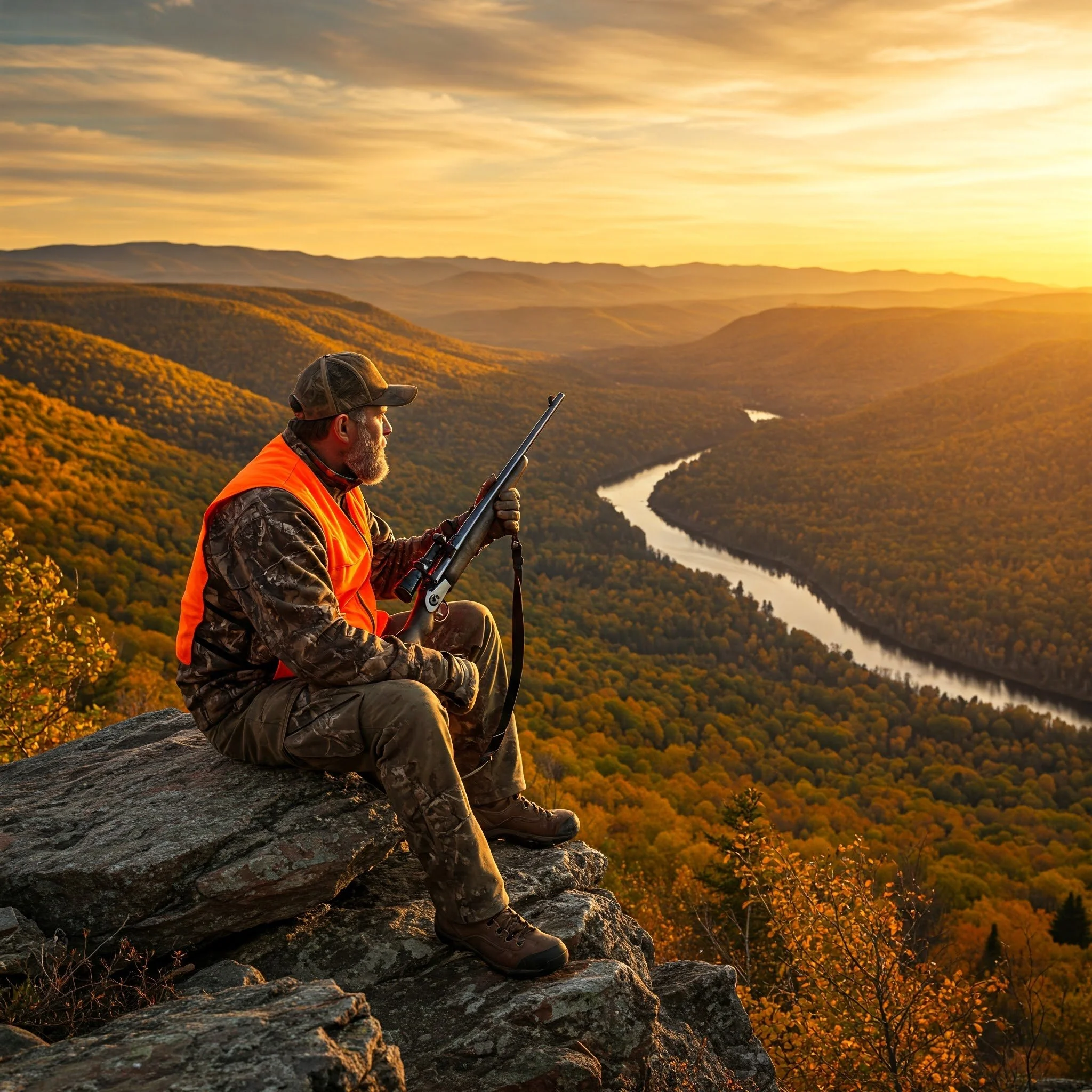
- Rifle: A flat-shooting rifle chambered in .22-250, .243, 6mm Creedmoor, or .223 Remington is ideal. Consider a scope with good magnification (3-9x or higher) for longer shots.
- Ammunition: Choose a bullet designed for varmint hunting. Expanding bullets like ballistic tips or hollow points deliver significant terminal performance on coyotes.
- Calls: You'll need a combination of howlers (to locate and initiate a response) and prey distress calls (rabbit, rodent, or bird) to attract coyotes looking for an easy meal. Electronic calls offer a wide range of realistic sounds.
- Decoys: Decoys add another layer of realism to your setup. A realistic coyote decoy, rabbit decoy, or motion decoy can attract attention.
- Camouflage: Blend into your surroundings with camouflage clothing and gear. Consider the terrain and season when choosing your pattern.
The Hunt: Tactics and Techniques
Calling: Set up downwind of your intended hunting area, using natural cover to conceal yourself. Begin with a series of howls to locate coyotes. Once you get a response, switch to a prey distress call. Be patient and persistent, as coyotes can be cautious. Vary your calling sequence and volume.
Still Hunting: Involves slowly and quietly moving through an area, glassing for coyotes. More challenging but can be effective in areas with high coyote pressure.
Spot and Stalk: Locate coyotes at a distance using binoculars or a spotting scope, then carefully stalk within shooting range. This method requires patience, stealth, and a good understanding of coyote behavior.
Ethics and Safety
- Know Your Regulations: Familiarize yourself with all local and state hunting regulations, including licensing requirements, season dates, and legal hunting methods.
- Respect the Land: Always obtain permission before hunting on private land. Practice responsible land stewardship.
- Safety First: Always practice safe firearm handling procedures. Be aware of your surroundings and never shoot unless you are absolutely certain of your target and what is beyond it.
Conclusion
Coyote hunting is a challenging but rewarding pursuit. By understanding coyote behavior, utilizing the right gear, and employing effective tactics, you can increase your chances of success. Remember to always prioritize safety and ethical hunting practices. Now, get out there, put these tips to use, and experience the thrill of the hunt!