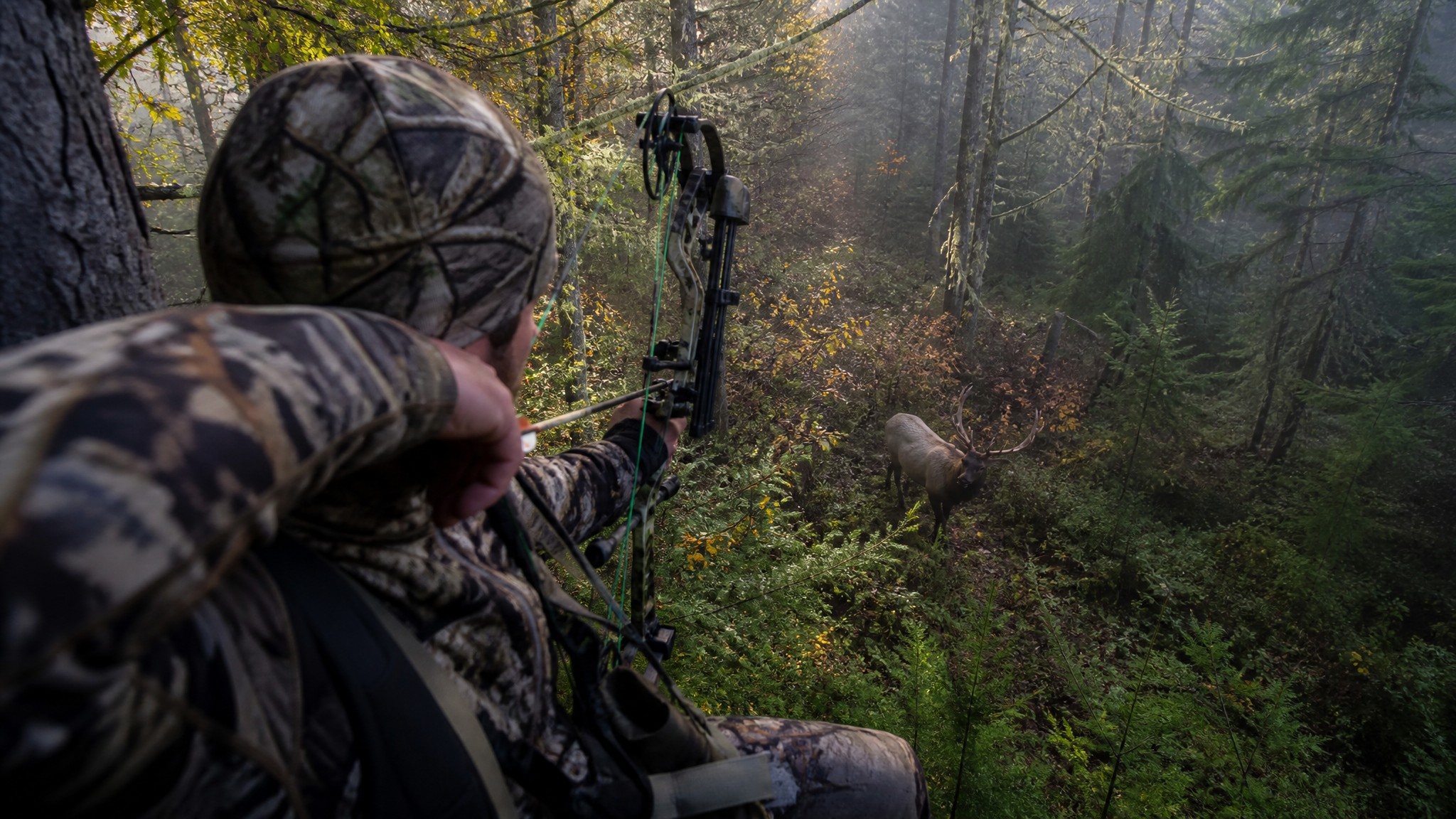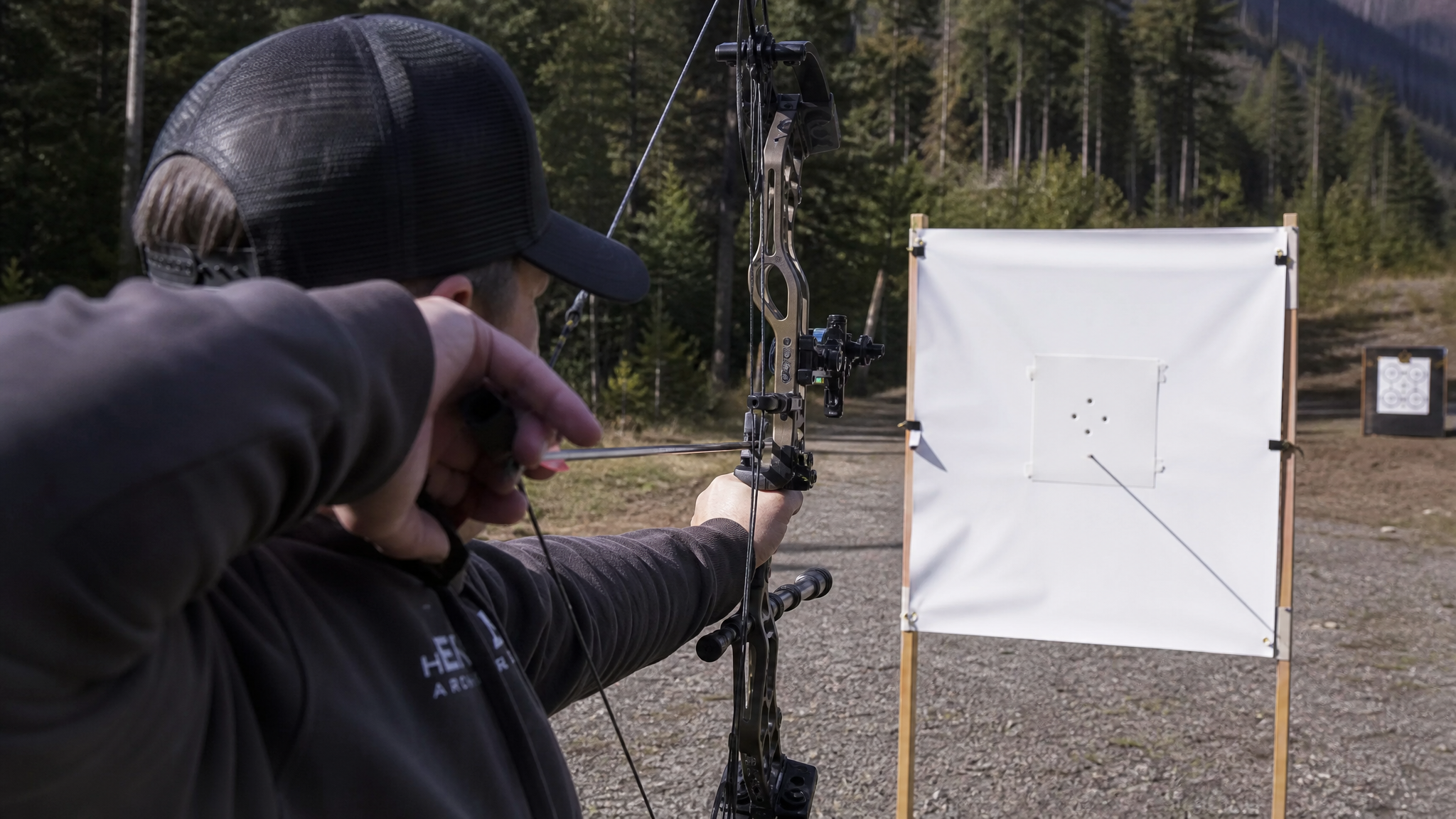
The broadhead debate is one of those archery arguments that never ends, and for good reason — both types have genuine advantages and legitimate weaknesses. I've used both extensively over years of deer, elk, and bear hunting, and my choice now depends on the specific hunt, the game I'm after, and the performance characteristics of my bow. Here's a breakdown that will help you make the right call for your situation.
Fixed Blade Broadheads: The Case For
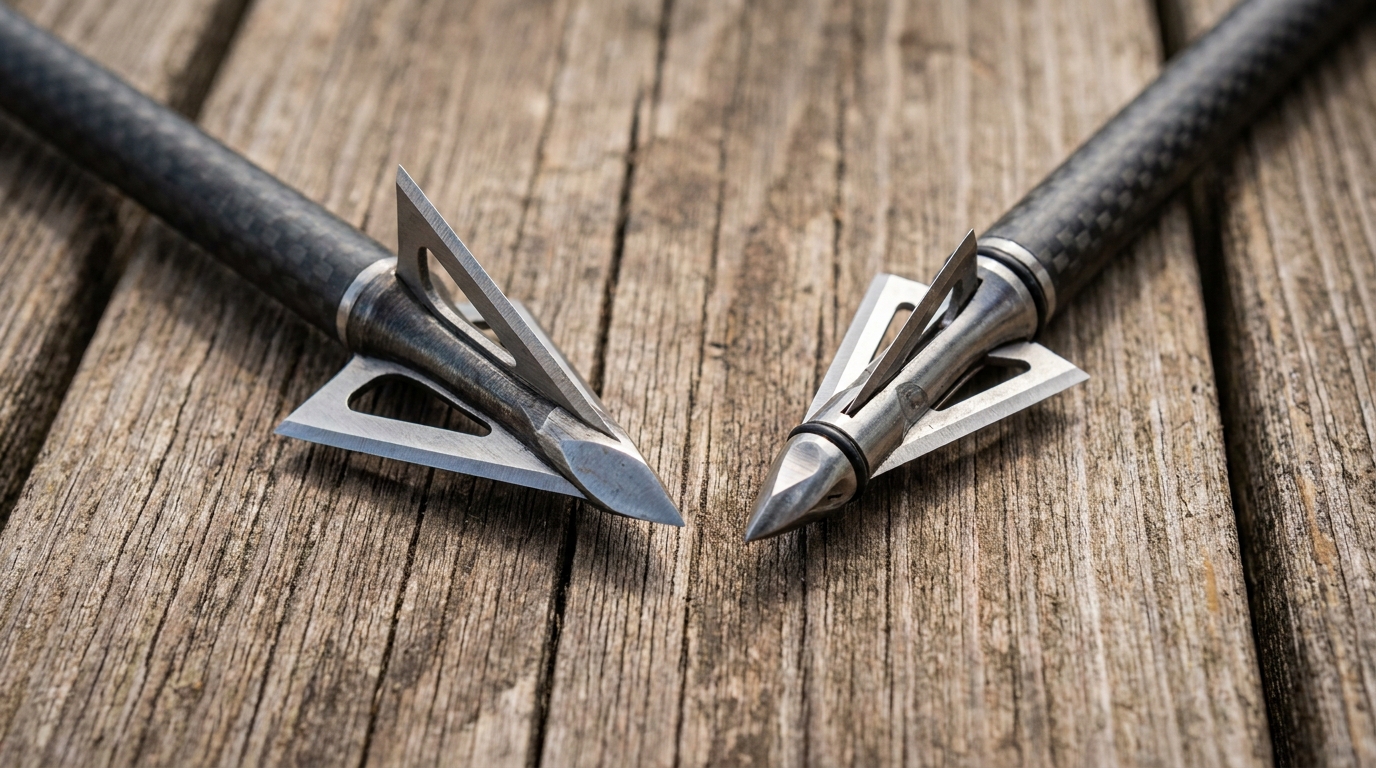
Fixed blades are mechanically simple — there's nothing to deploy, no O-ring to fail, no blade to partially open on contact. For elk hunting and large game where maximum penetration is the priority, fixed blades are the gold standard. A two or three-blade fixed head in the 100–125 grain range from a quality manufacturer (Slick Trick Magnum, Muzzy Trocar, Montec, or the classic Zwickey) will drive through bone, bury in dirt, and deliver dependable performance in conditions that would challenge mechanicals.
In cold weather, mechanical failures become more common — the O-rings that hold blades closed can stiffen and prevent proper blade deployment. Fixed blades have no such vulnerability. For late-season hunters in cold country, this is a real consideration.
The trade-off is flight. Fixed blades act as a vane in flight, and their aerodynamic properties differ from field points. Large fixed blades can be difficult to tune for some setups, and wind deflection at longer ranges is more pronounced than with mechanicals. Budget time for careful broadhead tuning if you shoot fixed blades.
Mechanical Broadheads: The Case For
Mechanicals fly like field points. This is the fundamental advantage, and it's a meaningful one: for archers shooting at 50–70 yards, or with bows that are difficult to tune for fixed blades, mechanicals deliver consistent accuracy that fixed blades sometimes can't match from the same setup. Cut-on-contact mechanicals like the Rage Hypodermic and G5 Deadmeat produce wide wound channels and dramatic blood trails that help in recovery.
For whitetail deer at 20–40 yards — the bread-and-butter archery deer hunting scenario — a quality mechanical is hard to beat. The wound channel is larger, the blood trail is often better, and the accuracy advantage is real at the ranges where most deer are shot. I've seen more deer lost to poor blood trails from pass-through shots with fixed blades that missed both lungs than I've seen lost to mechanical failures.
When to Use Which
Use Fixed Blades When:
- Hunting elk, moose, or bear where penetration through heavy bone and muscle is the priority
- Hunting in very cold weather (under 20°F) where mechanical deployment can be unreliable
- Shooting lower draw weight bows (under 55 lbs) where mechanical deployment requires more kinetic energy
- You have the time and discipline to tune specifically for broadhead flight
Use Mechanicals When:
- Hunting deer-sized game at ranges under 60 yards
- Your bow setup is difficult to tune for fixed blades
- Blood trailing is a concern (open terrain, limited tracking time)
- Shooting high draw weight (65+ lbs) with a fast bow that produces sufficient kinetic energy for mechanical deployment
Minimum Kinetic Energy for Mechanicals
Mechanical broadheads require energy to deploy. Most quality mechanicals are rated for reliable deployment above 55–60 ft-lbs of kinetic energy. Calculate your KE: KE = (arrow weight in grains × velocity²) / 450,400. If you're hunting with a 350-grain arrow at 270 fps, your KE is approximately 56 ft-lbs — right at the lower limit for mechanicals. For this scenario, a fixed blade is a safer choice for large game.
There is no universally right answer in the broadhead debate. Make your choice based on the hunt, verify your arrow flight with your chosen broadhead, and hunt with confidence knowing you've made an informed decision.