If you've spent any time hunting Oregon, you know the state doesn't make it easy. The seasons are short, the weather is unpredictable, and the deer — both blacktail and mule deer — don't always cooperate. But after a lot of years and a lot of miles in Oregon's hills, I've learned that timing is everything. Hit the right window and the deer move. Miss it, and you're staring at empty timber for days.
Early Season: August–September Archery
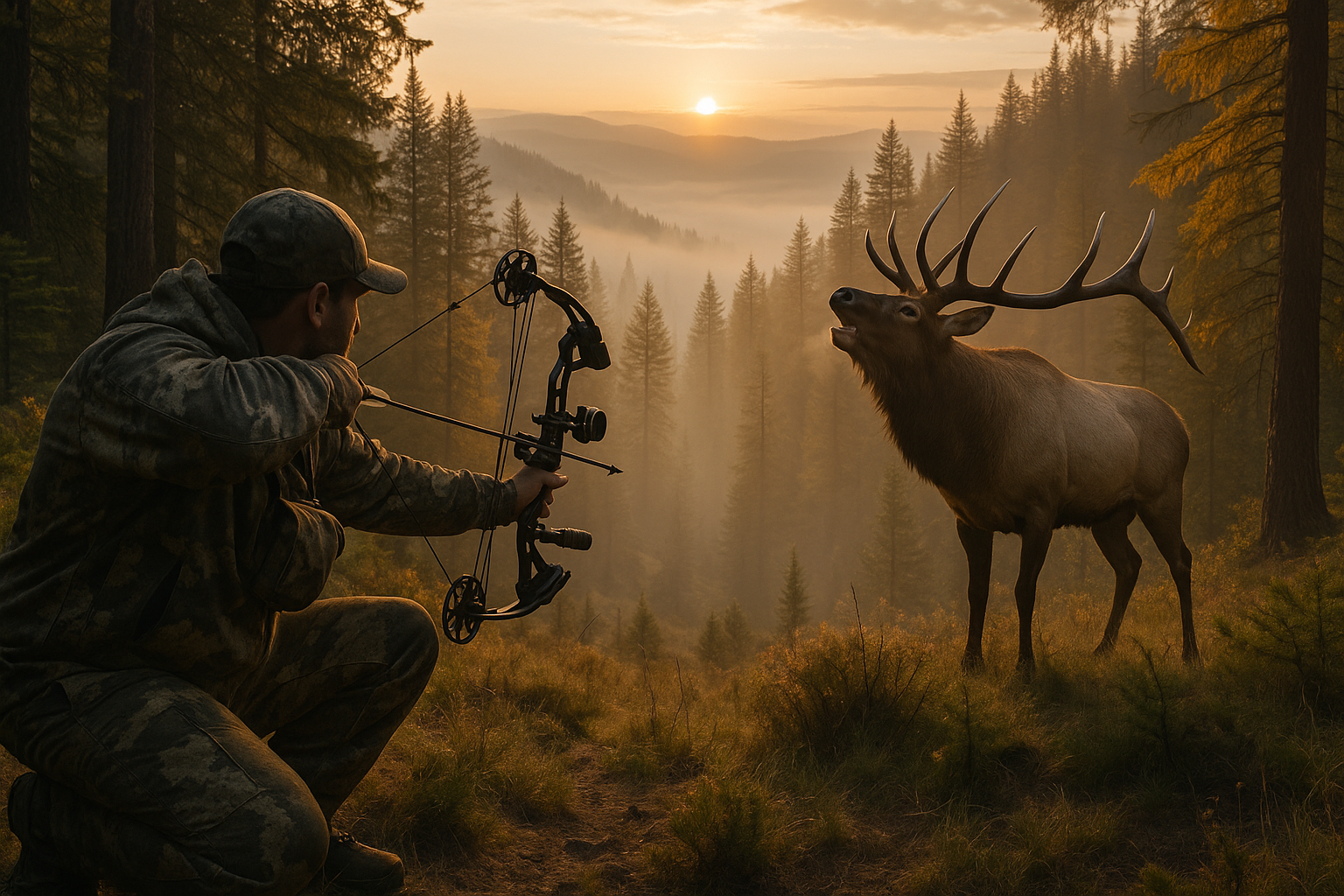
The early archery opener in late August gets a lot of guys excited, but honestly, the heat works against you. Deer are mostly nocturnal during the hot weeks, bedded in the shade by 7 AM and not moving again until last light. That said, this period has its advantages: bachelor groups of bucks are still together, wallows are active, and the velvet makes for a special trophy if you connect.
My strategy in early archery is to hunt mornings hard from a ground blind near a water source, then back out by 9 AM to let the woods settle. Afternoon sits near feeding areas — alfalfa fields, clearcuts with fresh brush — can be productive in the last 45 minutes of light. Don't pressure your spots too early.
The Rut: October–November
This is it. The period every Oregon deer hunter lives for. The pre-rut in late October gets bucks on their feet during daylight as they begin checking scrapes and rubbing trees. By early November, you'll see bucks running hard all day long, especially in the Blue Mountains and Cascade foothills where the mule deer rut peaks around November 10–15.
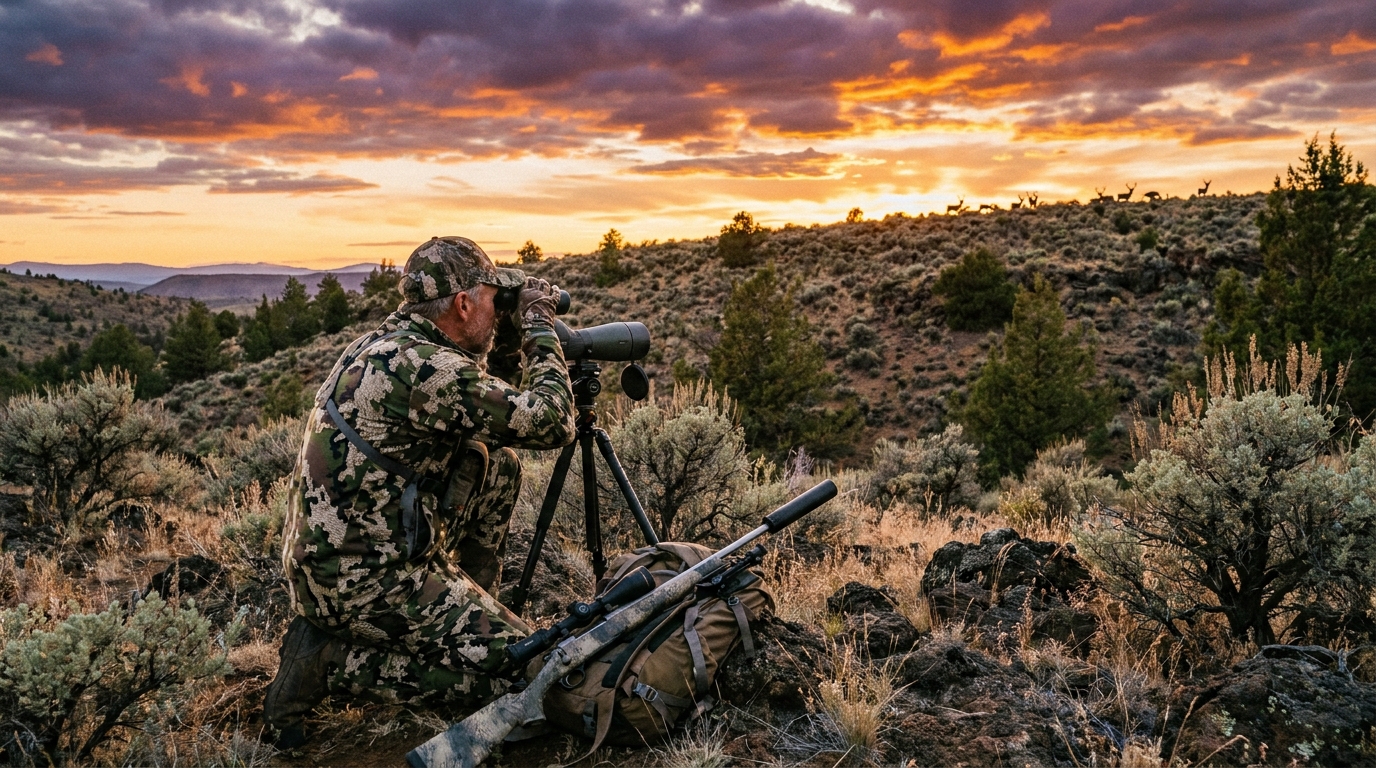
During the rut, I throw normal patterns out the window. I'm hunting all day, rattling, grunting, and covering country. Bucks that were ghosts in September become visible, predictable, and dumb. I've had my best encounters by simply posting up on a ridge with good glassing lanes and waiting for a buck to show himself. When a buck is chasing a doe, he's not thinking about you.
Late Season: Post-Rut and Winter Range
By late November and into December (where general seasons allow), bucks are exhausted and focused on feeding. This is the time to learn where the deer winter. In Eastern Oregon, they stack up on south-facing slopes where the sun hits and the snow stays thin. Blacktail in the Coast Range and Cascades push to lower elevations, concentrating around clearcuts and oak edges.
Late-season hunting rewards patience and boots. I've found more big bucks during post-rut glassing sessions than at any other time of year. The trees are bare, the deer are hungry, and a buck that's been avoiding you all season has to eat.
Unit Selection Matters As Much As Timing
Oregon has over 60 deer hunting units, each with different season dates, tag availability, and terrain. General season tags are over-the-counter for most units, but controlled units with premium tags can significantly increase your odds. The Ochoco, Steens Mountain, and Starkey units consistently produce quality bucks. Research the most recent ODFW harvest reports — they're public and invaluable for understanding herd dynamics.
Quick Tips by Season
- August archery: Hunt water, go slow, move early
- October pre-rut: Scrapes, rubs, food sources at dawn/dusk
- November rut: All-day sits, rattling, decoying, ridge hunting
- Late season: Winter range, glassing, south-facing slopes
Oregon is a deer hunter's state if you put in the work. Know the seasons, know your terrain, and put yourself in the right place at the right time. The deer will do the rest.