Public land elk hunting in Oregon is one of those pursuits that will humble you quickly if you approach it wrong. These aren't ranch-raised elk living in a pasture — they're wild animals that have survived hunting pressure, wolves, lions, and hard winters. They know their country, they use the terrain, and they're not going to make it easy. But that's exactly why killing one on public land, with your own legs and your own sweat, is one of the most satisfying things you can do with a rifle or a bow.
Know Your Units Before You Go
Oregon's elk units vary dramatically in access, terrain, and herd density. For general tag holders, units like the Starkey, Heppner, and southern Cascades consistently produce mature bulls. Before you set foot in the field, download the ODFW harvest reports for your unit for the last five years. Look at harvest by weapon type, buck-to-doe ratios, and trend lines. Units where bull harvest is increasing year over year tend to be on the upswing.
Google Earth is your free scouting partner. Look for north-facing slopes with dark timber adjacent to open feeding areas. Ridgelines with wallows, clear cuts regenerating into brush fields, and canyon heads with seeps are all worth investigating. Mark your candidates and build an itinerary before you arrive.
Early Season: The Heat Is Your Enemy and Friend
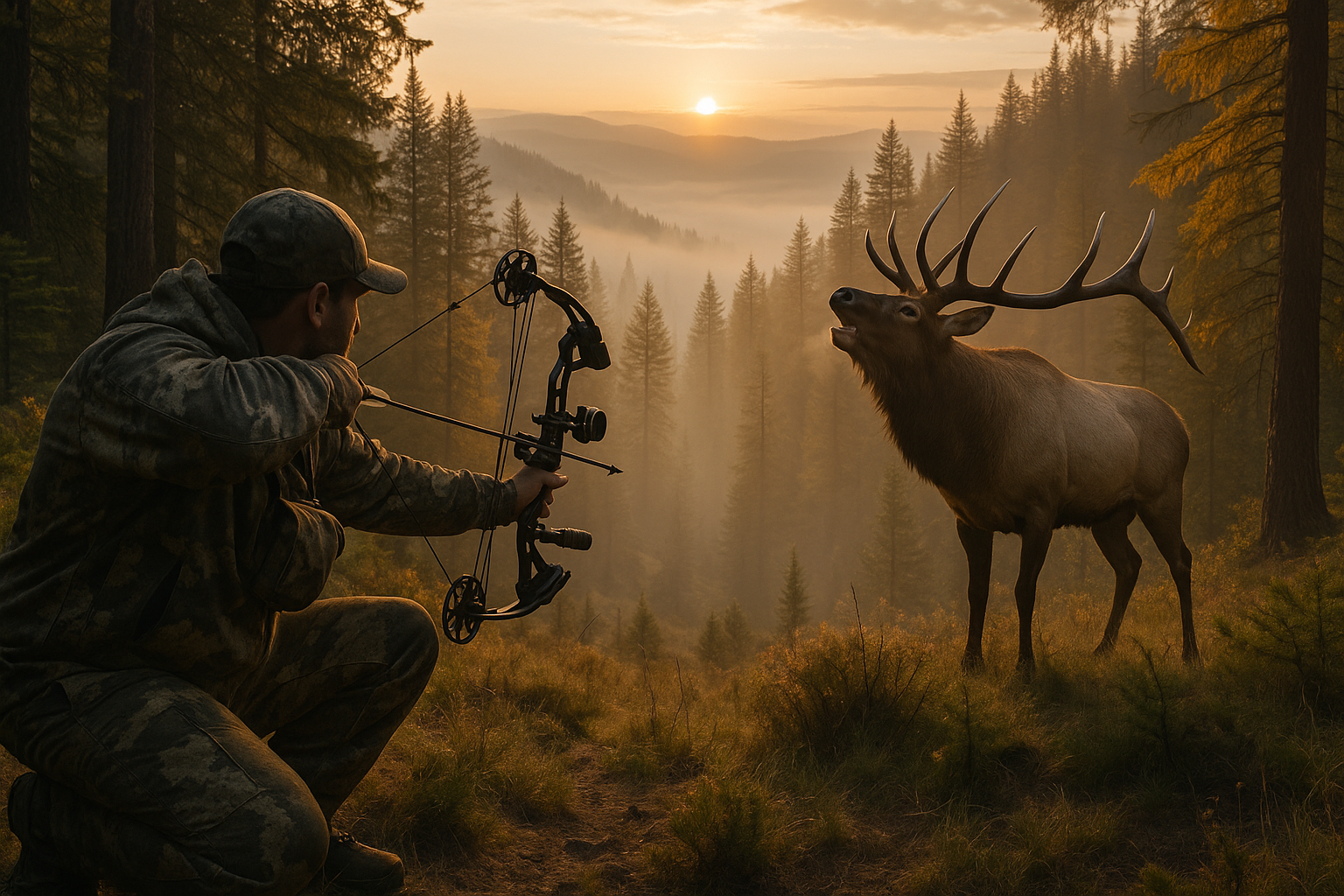
During hot early archery seasons, elk are largely nocturnal in open country. But they still need to water. Find the wallows — often marked on topo maps as seasonal ponds or seeps — and hunt them in the last hour of evening. A wallow hunt in August is one of the most exciting in elk hunting. The bulls will come in, roll, and give you a close encounter that's hard to replicate.
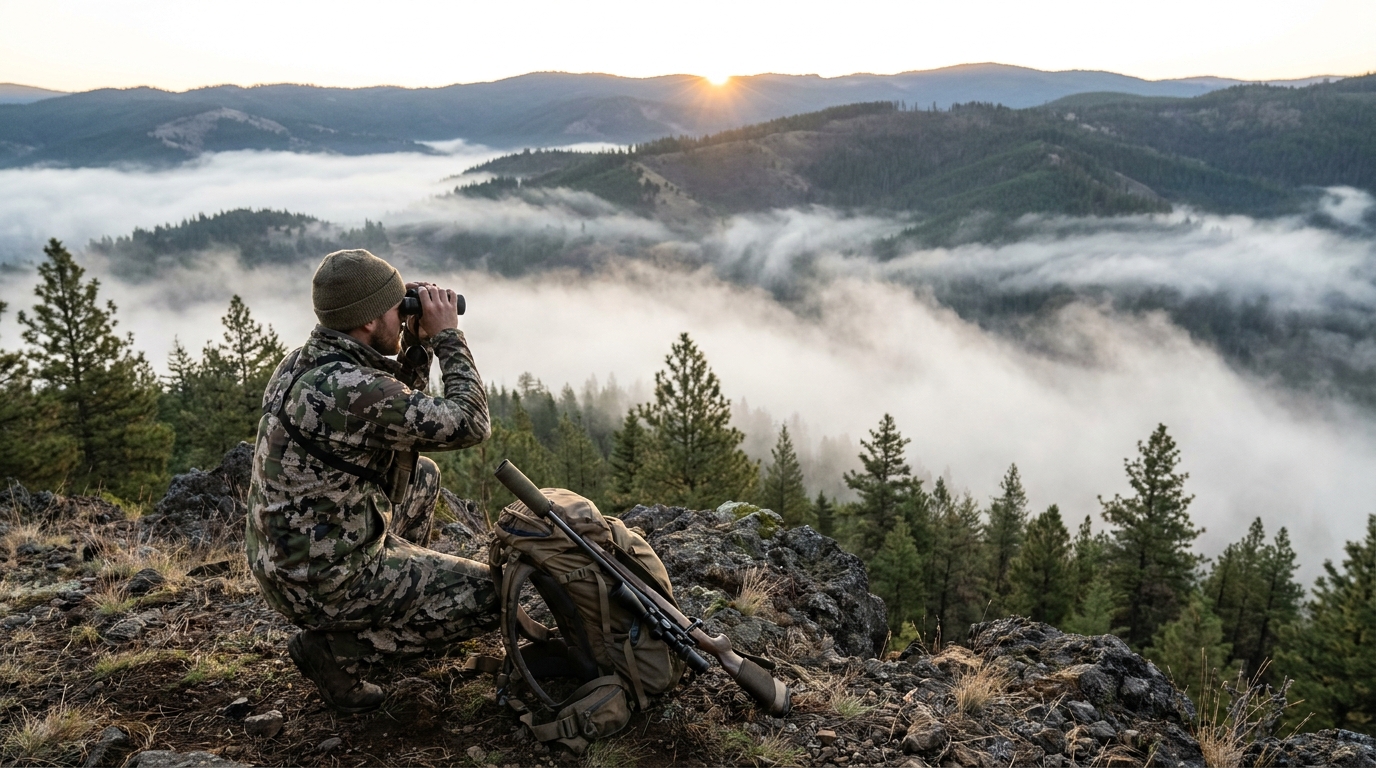
Glass from high points in the last light to locate bulls in feed, then plan a morning intercept. Bugles in the early season are sparse, but a locator cow call or light bugle can get a curious response from a satellite bull.
Rut Tactics: September Is the Money Month
The Rocky Mountain elk rut peaks in Oregon from September 15 through October 5 depending on elevation and weather. This is when bulls are vocal, aggressive, and killable in ways they never are the rest of the year. Locate a bugling bull at first light, get the wind in your face, and close the distance aggressively. Elk in the rut are not subtle — meet their energy.
For rifle hunters in late October and November seasons, the rut has passed but bulls are still grouped with cows. Find the cows and you'll find the bulls. Hunt the edges of big timber adjacent to clearcuts or meadow feeding areas at dawn and dusk.
Getting Into the Back Country
The elk that get killed from the road are mostly cows and young bulls. If you want a mature 6x6, you need to go where other hunters don't. That means hiking miles from the trailhead, camping in country that requires real effort to reach, and hunting terrain that's uncomfortable to navigate. A pack frame and the willingness to bring one out one load is worth more than any call or camouflage pattern.
On public land, the three-mile rule is real: most hunters don't go more than three miles from a road. If you can add that fourth or fifth mile, your competition drops dramatically.
Essential Oregon Elk Hunting Resources
- ODFW Hunt Planner (online harvest data by unit)
- onX Hunt (private/public land boundaries, offline maps)
- CalTopo for terrain analysis and route planning
- Base camp near a water source in the unit — not at the trailhead
Public land elk hunting is earned. Every tag you fill on foot, in real country, with your own effort, is a story worth telling. Oregon has the elk — go get them.