Coyote hunting is a challenging pursuit that requires a deep understanding of the animal's behavior and habits. One key aspect is baiting. Knowing the best coyote bait for hunting can significantly increase your success rate.
Understanding Coyote Behavior and Diet
Coyotes are highly adaptable predators. They thrive in diverse environments, from rural to suburban areas. Their keen sense of smell guides them to potential food sources. Their diet is varied — coyotes often eat small mammals, fruit, and carrion. Understanding these dietary preferences aids in selecting effective bait. It's crucial to use bait that mimics their natural food sources for greater success.
Recognizing when coyotes are most active is equally important. They're primarily nocturnal, hunting mostly from dusk to dawn. Having this knowledge helps tailor your baiting strategy to align with their natural routines.
Selecting the Best Coyote Bait
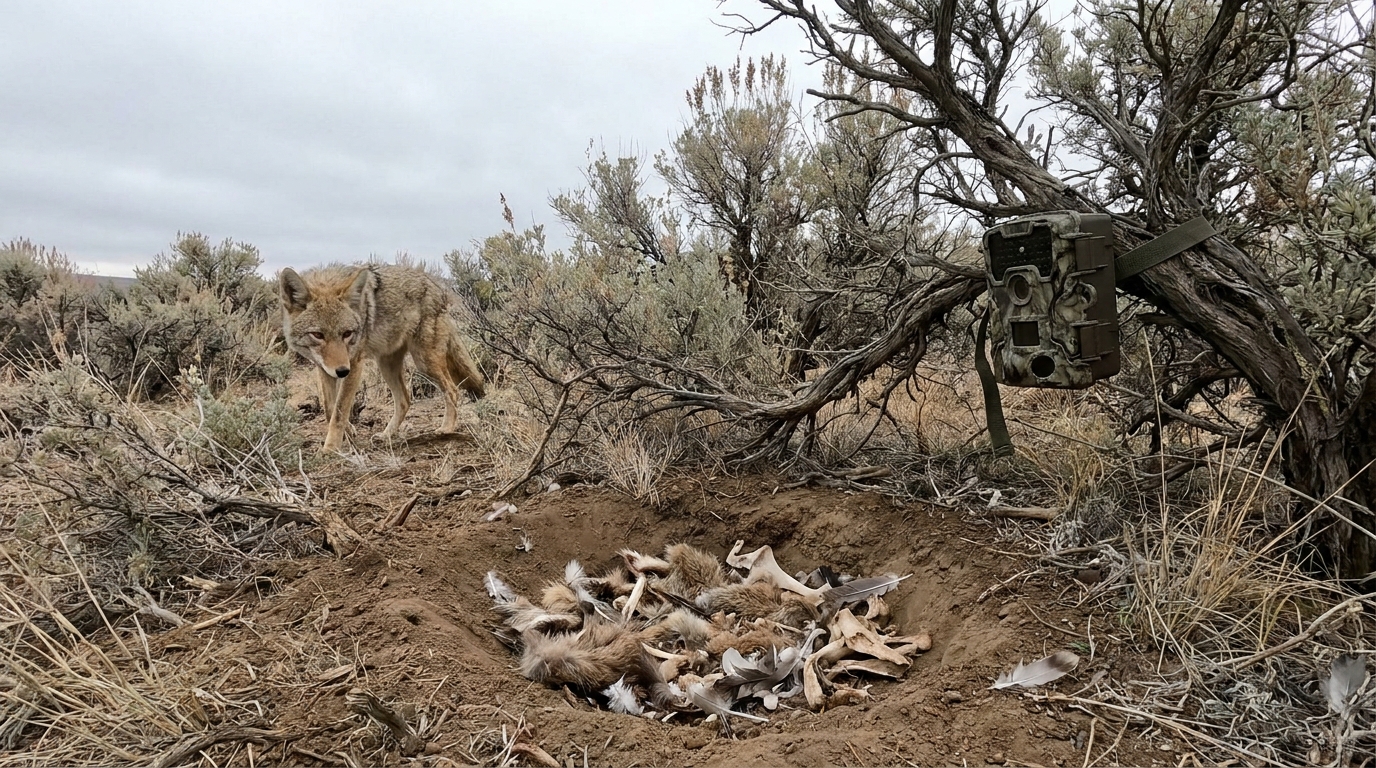
Freshness is key — fresher bait tends to be more enticing to coyotes. Fresh meat and animal remains often make good coyote bait. Options such as deer carcasses or recently deceased livestock are effective, provided they're legal to use. Besides fresh offerings, commercial lures and scents can boost your setup. These products are designed to mimic natural scents, drawing coyotes from farther distances.
Potential baits include: fresh meat (deer or rabbit), fish remains, commercial scent lures, and attractant gels and sprays. Always check your local regulations to ensure legality.
How to Properly Set Up Bait
Setting up bait correctly is as crucial as selecting the right bait. Begin by choosing a location that is frequented by coyotes. Look for areas with signs of coyote activity — tracks, scat, territorial markings. Place your bait downwind of your hunting position to mask your scent and provide you with a clear line of sight.
Baiting Coyotes at Night: Special Considerations
Coyotes are mostly nocturnal, making night baiting effective. Invest in quality night vision gear or thermal optics — this technology allows you to spot coyotes without alerting them. Use minimal artificial light, as it can scare off coyotes. Be mindful of wind direction to prevent your scent from reaching the bait site.
Strategic Placement and Trail Cameras
Choose locations where coyotes naturally roam, such as paths or clearings. By leveraging the natural landscape, you can guide them into a predictable path. Trail cameras are indispensable for tracking coyote activity around bait sites. Place cameras strategically to cover all angles of the bait site — you can use the footage to determine the best times for hunting.
Scent Control and Bait Freshness
Human scent can deter coyotes, making them avoid the area. Always wear gloves and minimize your presence around the bait site. Freshness of the bait plays a significant role — regularly check and refresh your bait to maintain its effectiveness. Be mindful of storing your bait under suitable conditions before use.
The Role of Electronic Calls and Decoys
Electronic calls can enhance your baiting efforts by mimicking prey sounds. They work well in combination with bait, creating a realistic scene. Decoys add a visual element to the soundscapes created by electronic calls. This dual use of sound and sight can be particularly effective in luring coyotes into a desired area.
Ethical Considerations
Hunters must always consider the ethical implications of baiting. Baiting can attract various animals, not just coyotes. Implement strategies to prevent unintended harm — monitor bait sites regularly and adjust methods as needed. This conscientious approach maintains ecological balance and fosters responsible hunting.
Conclusion
Success in coyote hunting demands patience and persistence. Coyote behavior can be unpredictable, requiring hunters to remain vigilant and adaptable. With time and effort, your skills will grow, leading to greater success in the field.