Understanding coyote behavior is crucial for any hunter aiming to effectively use a rabbit distress call. This knowledge helps in predicting their movements and reactions, thereby increasing the chances of a successful hunt.
Understanding the Opportunistic Predator
Coyotes are highly adaptable and opportunistic predators. They thrive in diverse environments, from urban areas to remote wilderness. Their diet is varied, including small mammals, fruits, and even garbage. This adaptability makes them responsive to a wide range of calls, especially those suggesting an easy meal.
Coyotes possess an acute sense of hearing, enabling them to detect faint sounds from considerable distances. A rabbit distress call mimics the sound of an injured rabbit, triggering a coyote's instinctual response to investigate and hunt. This instinct is deeply ingrained, as coyotes often rely on auditory cues to detect vulnerable prey.
Getting Started: Choosing Your Call
Mouth Calls: Require you to blow into them to produce sound. They are lightweight, easy to carry, and allow for a high degree of sound modulation. Their affordability makes them a popular choice for beginners.
Electronic Calls: Provide the advantage of playing pre-recorded sounds with the press of a button. They often come with a library of sounds and allow for easy volume adjustments. Although more expensive, they offer consistency and ease of use.
Hybrid Calls: Combine elements of both mouth and electronic calls, offering versatility and adaptability in the field.
How to Use a Coyote Call
Step 1 — Choose the Right Location: Research areas where coyotes are known to roam. Look for habitats that provide food, water, and cover. Position yourself downwind from where you expect coyotes to come from.
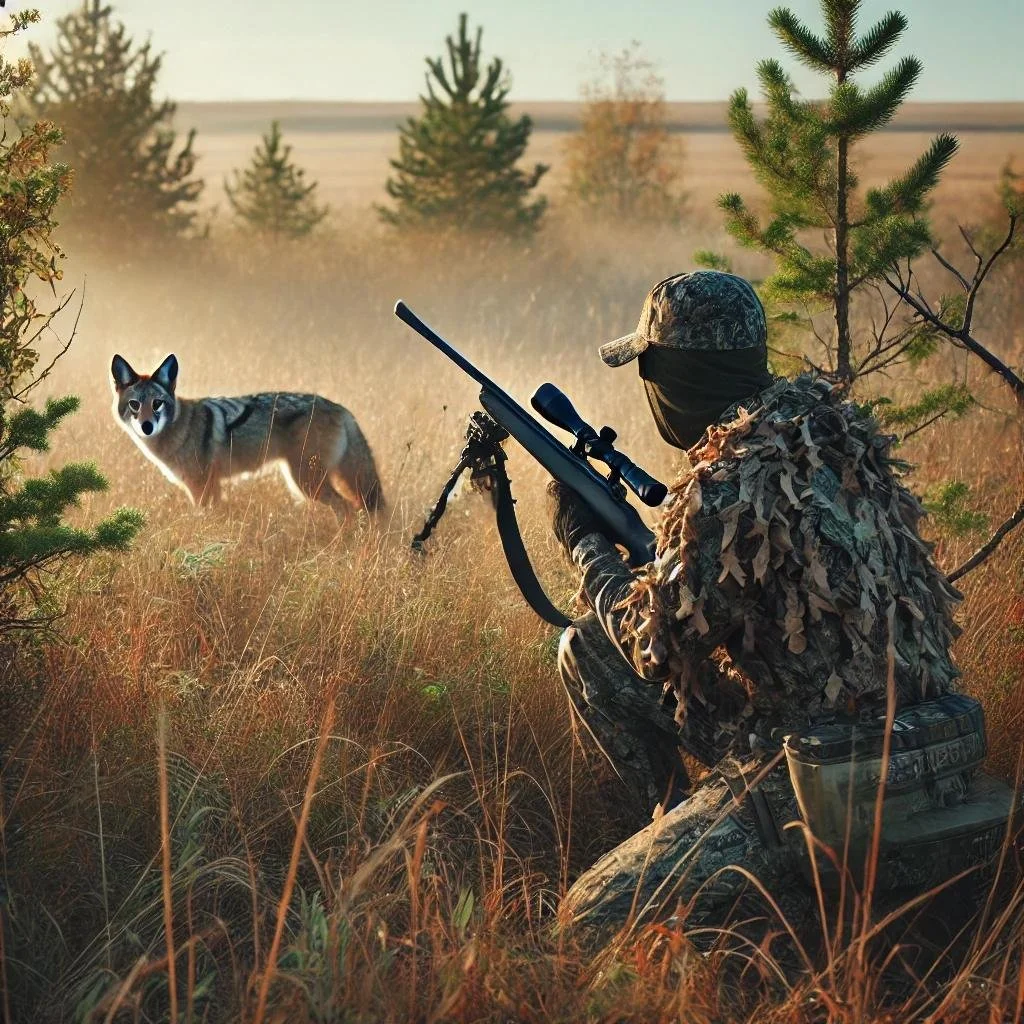
Step 2 — Set Up Your Equipment: Ensure that you're well-concealed and have a clear view of the area. Position yourself in a stable and comfortable shooting position with a clear line of fire.
Step 3 — Start the Calling Sequence: Start with a series of short, sharp cries to mimic a rabbit in distress. Focus on producing realistic sounds — pay attention to the pitch, volume, and timing.
Step 4 — Vary the Sequence: Start with a few short cries, then pause for 30 seconds to a minute. Continue with a longer series of cries lasting 1-2 minutes, followed by a longer pause. Finish with softer sounds to mimic a fading rabbit.
Step 5 — Wait and Observe: Remain silent and watchful. Coyotes may take several minutes to respond, so patience is crucial. Use binoculars to scan for movement.
Tips for Success
Timing: Coyotes are most active during dawn and dusk. Plan your hunt around these times for the best chances of success. In colder months, they may be more active during the day.
How Long to Call: A good rule of thumb is to call for about 15-20 minutes before moving to a new location if no coyotes appear. Each outing provides valuable data for refining your setup and strategy.
Monitor the Wind: Always pay attention to wind direction. If a coyote catches your scent, it will avoid your position. Consider using scent control products to minimize your scent signature.
Common Mistakes to Avoid
- Overcalling: Avoid excessive calling and allow for natural pauses to make your sequence more convincing.
- Poor Camouflage: Coyotes have sharp eyesight and can spot movement or bright colors from a distance.
- Ignoring the Environment: Factors like terrain, weather, and local wildlife activity can influence coyote behavior. Adjust your strategy accordingly.
Conclusion
Learning how to call coyotes with a rabbit distress call is a rewarding skill. By understanding coyote behavior, using the right equipment, and practicing a good calling sequence, you'll be well on your way to success in the field. Remember, patience and persistence are key — keep honing your skills and enjoy the thrill of the hunt.