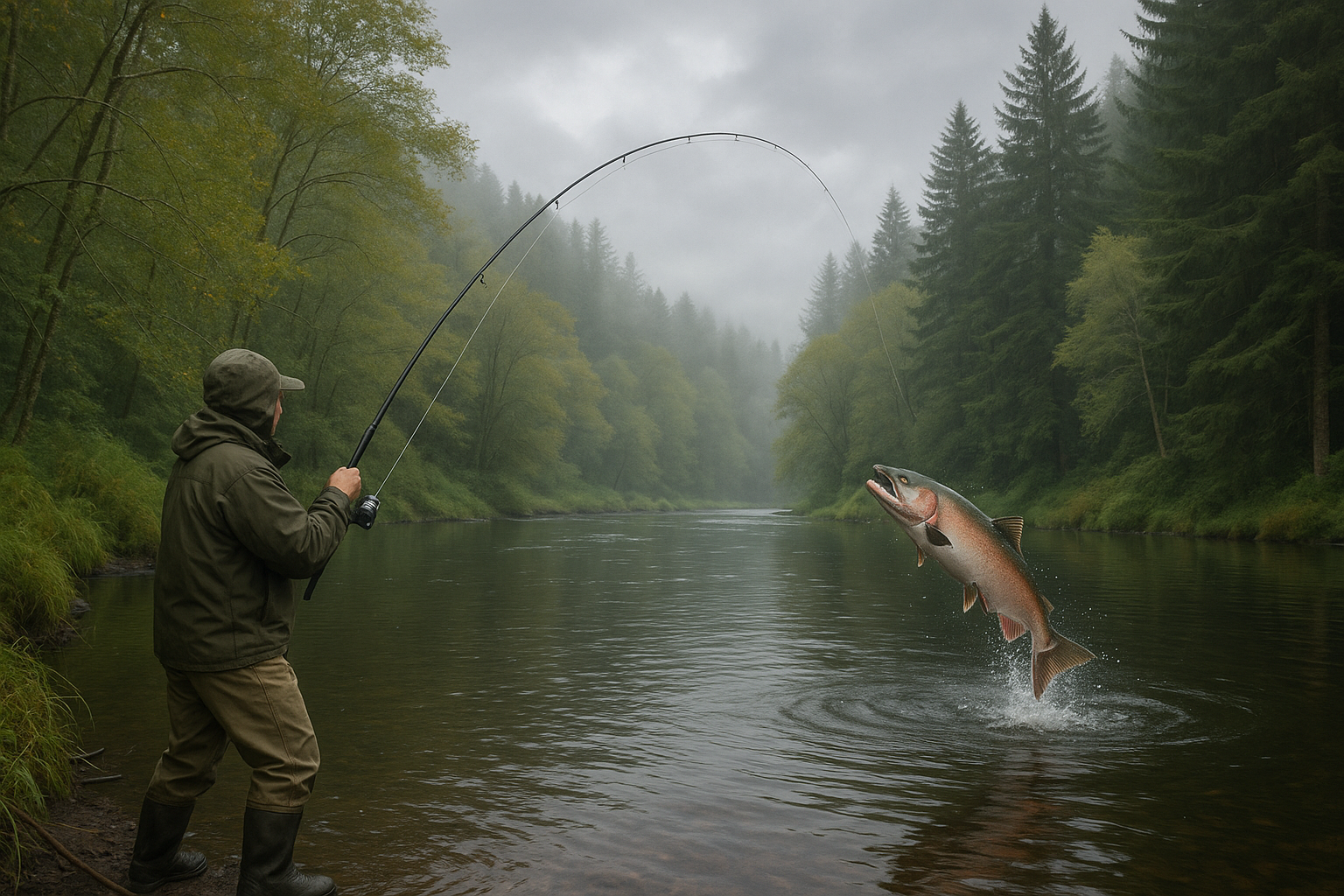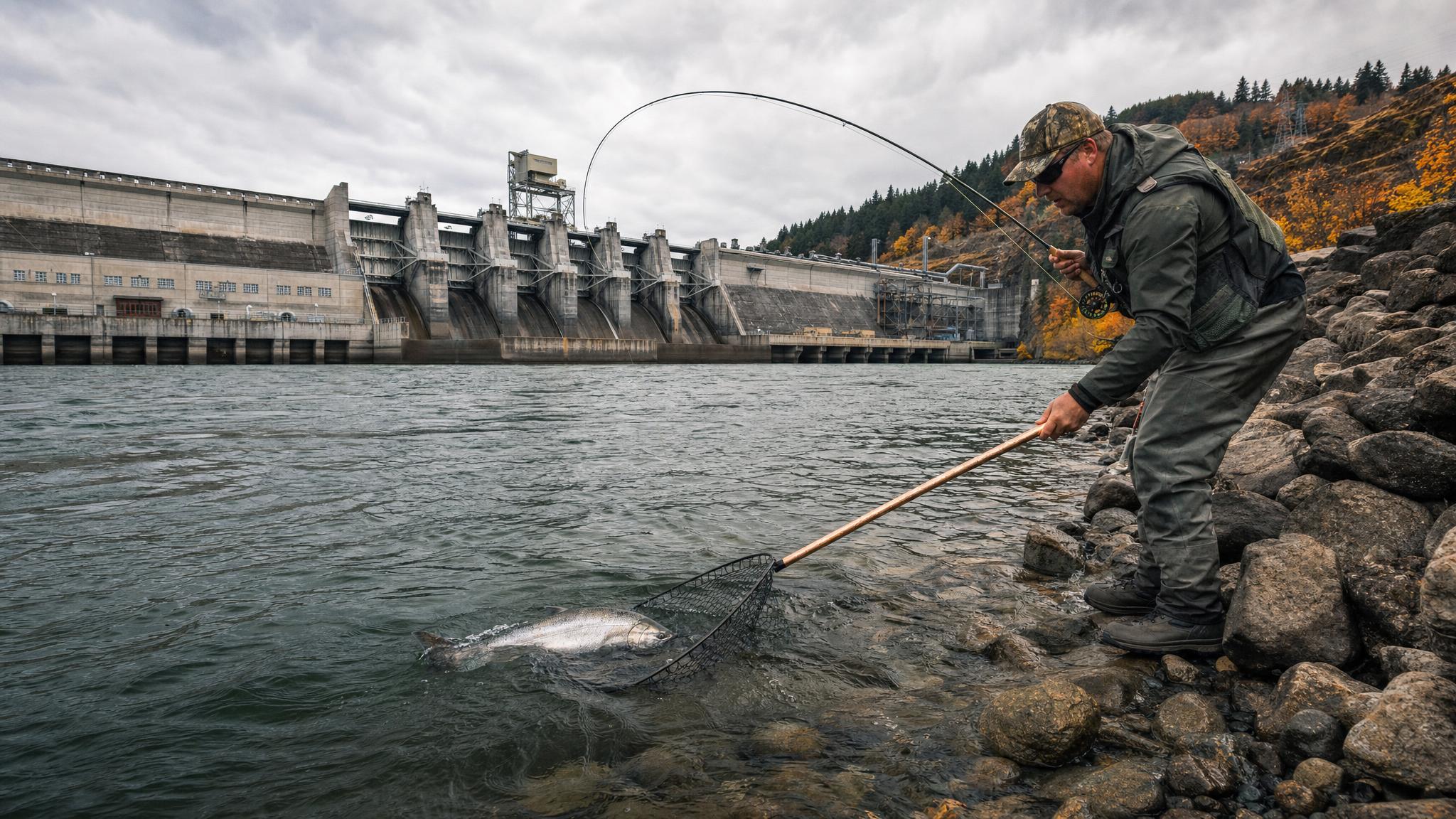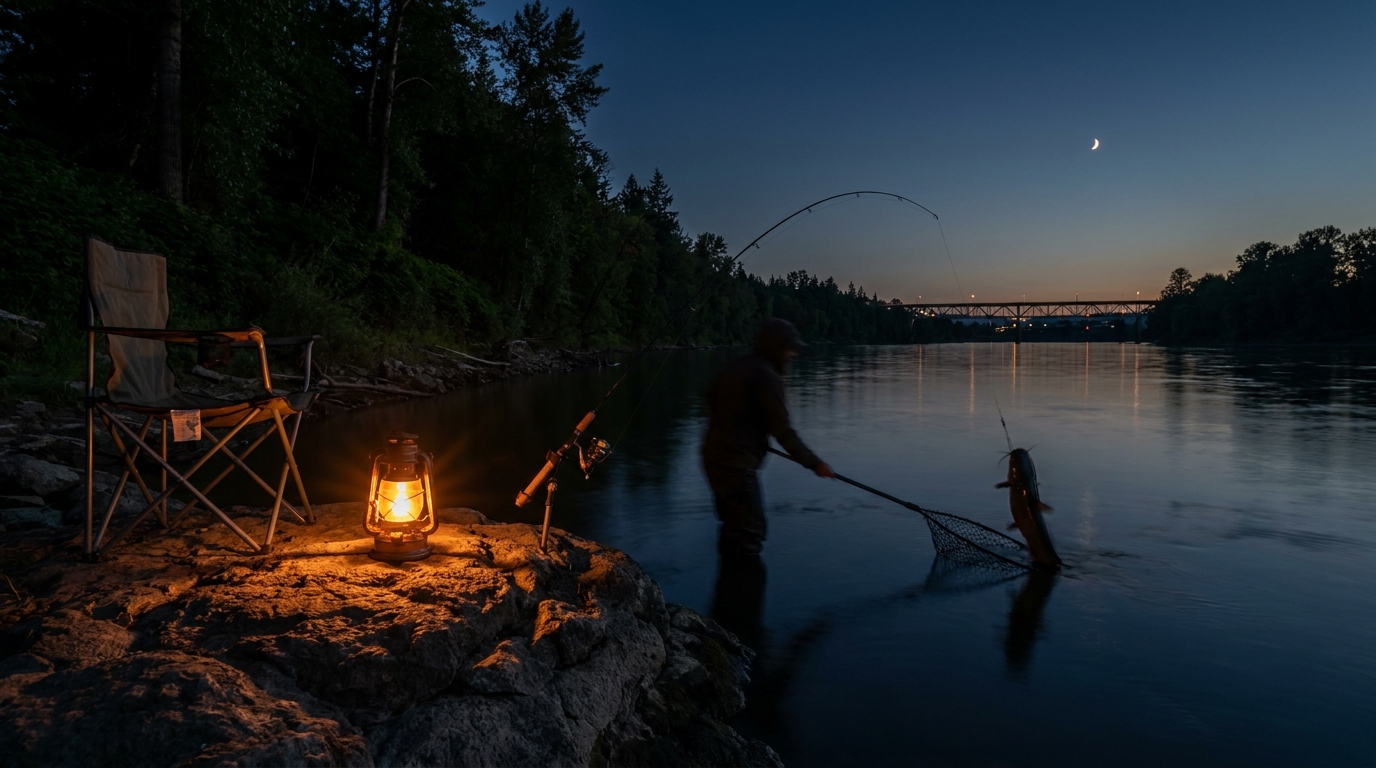
Most Oregon anglers think of the Willamette River as a trout and steelhead fishery, and they're not wrong — but they're missing out on some excellent catfish action, especially after dark. Channel catfish in the lower Willamette between Eugene and Portland grow fat on crayfish, sculpins, and the river's abundant invertebrate life. When the sun goes down and the recreational boat traffic stops, those fish move into the shallows and along the banks, and that's your window.
Why Night Fishing Works for Catfish
Channel catfish are primarily crepuscular and nocturnal feeders, especially in waters with significant daytime fishing pressure. Their sensory toolkit — a lateral line sensitive to vibration, whisker-like barbels loaded with taste buds, and eyes adapted to low light — makes them highly effective hunters in the dark. On warm summer nights between June and September, the feeding windows from 9 PM to 2 AM are consistently the most productive on the Willamette.
Water temperature drives activity as much as time of day. When the river holds in the 65–75°F range, catfish are at their most active. Early summer and late summer, before and after the heat peak, often produce the best action.
Gear Setup
You don't need specialized catfish tackle to start, but a few considerations matter:
- Rod: Medium-heavy 7–8-foot spinning or casting rod. You need the backbone to control a fish in current.
- Line: 17–20 lb monofilament or 30 lb braided mainline with a mono leader. Braid's sensitivity is nice for feeling bottom in current.
- Terminal tackle: Slip sinker rig or a three-way swivel setup. I use 1–3 oz egg sinkers depending on current, with an 18-inch fluorocarbon leader to a #1 or #2/0 circle hook.
- Rod holders: Essential for night fishing. Multiple rods in holders lets you cover different depths and distances.
Best Bait for Willamette Catfish
Cut bait from local species is hard to beat. Fresh crayfish tails, cut sucker or carp, and nightcrawlers all produce. I've had my best nights using fresh-cut shad belly, which has a strong oily scent that carries well in current. Stinkbait works but is messy and often unnecessary when fresh natural bait is available.
Keep your bait presentations fresh — change bait every 20–30 minutes if you're not getting bites. Scent dispersal in current means your bait's attractiveness diminishes over time.
Where to Set Up on the Willamette
Channel catfish use structure. Outside bends where the current scours a deep hole, log jams and submerged timber, riprap banks along highways and railroads, and the edges of gravel bars are all productive. The pocket water behind large submerged boulders in the river's mid-section is excellent. At night, fish shallower than you'd expect — catfish move into the 3–8-foot zone after dark.
Public access points at Alton Baker Park (Eugene), Wheatland Ferry, and Wallace Marine Park give good river access. Always check for any no-fishing closures and keep your camp clean — riverside access is a shared resource.
Night catfishing on the Willamette is a legitimate pursuit that rewards the angler willing to trade comfortable daylight hours for the best action the river offers. Set up your rods, enjoy the dark, quiet river, and wait for the drag to scream.