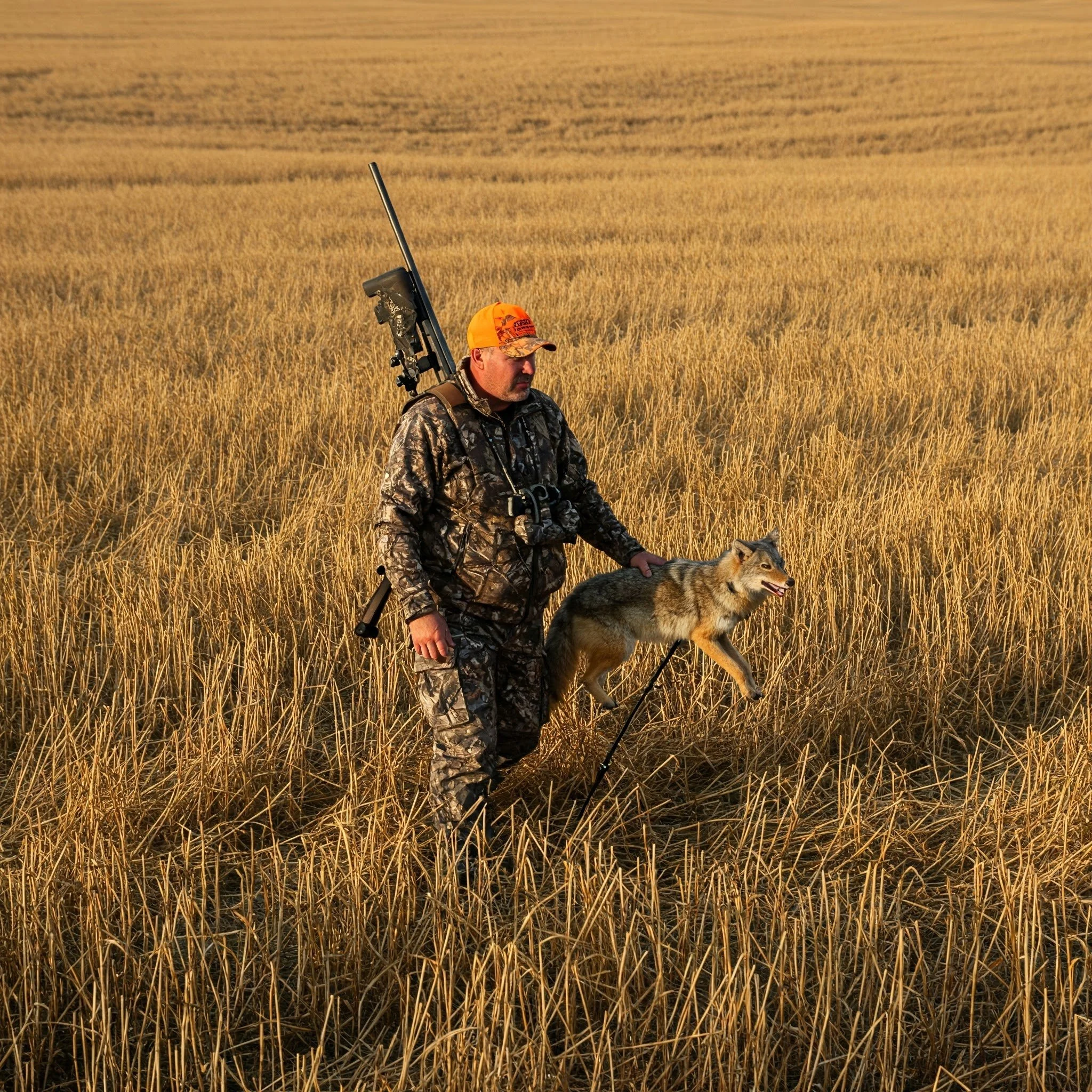
Coyote hunting is a thrilling pursuit. It requires a blend of skill, patience, and knowledge about these elusive creatures. Understanding how to find coyotes is the first step — a skill that can be honed with practice and the right guidance.
Understanding Coyote Behavior and Habitat
Coyotes are intelligent and adaptable animals. They thrive in a variety of habitats, from forests and grasslands to urban areas. Coyotes are most active during dawn and dusk. These "crepuscular" hours offer the best chances of spotting them in action. They are highly opportunistic feeders — their diet of small mammals, fruits, and carrion can help determine where they might be found.
Observing coyote tracks and scat can offer valuable clues about recent activity and preferred paths. Coyotes often establish territories that they mark with scent — familiarizing yourself with territorial markers can help locate their usual haunts.
Essential Gear for Coyote Hunting
- Weapon (Rifle or Bow)
- Camouflage Clothing (matching the terrain)
- Scent Control Products
- Binoculars (for surveying large areas)
- Calls and Decoys
- First Aid Kit
Scouting for Signs of Coyote Activity
Tracks: Their tracks resemble those of a domestic dog but are typically more elongated. Observing the direction and freshness of tracks helps gauge recent activity.
Scat: Coyote scat often contains hair and bone fragments, giving clues about the coyote's diet and health.
Territorial markings: Scratch marks on the ground or trees indicate an active area and the presence of a pack.
Vocalizations: Listen for howls or yips, most prevalent during the breeding season. They can indicate the proximity and number of coyotes.
Dens: Usually found in secluded areas like brush piles or hollow trees. Locating dens can reveal the center of coyote activity.
How to Attract Coyotes: Calls and Decoys
Distress calls imitate the sounds of injured animals — these lure coyotes as they resemble an easy meal. Rabbit or fawn distress calls are particularly effective. Howling can attract coyotes by triggering territorial or social responses. Decoys create a visual target, enhancing the illusion of prey. Position your decoy upwind where coyotes are likely to approach.
Using calls requires practice and patience. Start with a single distress call and observe the response. Volume control is crucial — begin with low volume, gradually increasing. This approach mimics the natural escalation of distress sounds. High volume from the start can deter wary coyotes.
Coyote Hunting Tactics: Dawn and Dusk Strategies
Coyotes are crepuscular animals, meaning they're most active during dawn and dusk. During early morning, the soft light helps conceal movements. Coyotes are often moving after a night's hunt and are less wary. Position yourself near known trails or open fields. Silence and stillness are your allies — movements stand out during low light.
How to Track Coyotes
Coyote tracks are oval with four toes. The heel pad is narrower compared to a dog's track — look for claw marks. Scat is tubular and often contains hair and bones. Coyotes mark their territory with scratches on the ground. Pay attention to the location of dens — they're often hidden in brush or rocky areas.
Coyote Hunting Tips for Beginners
- Begin with scouting before hunting — identify areas with signs of activity.
- Camouflage is important — wear clothing that matches the terrain.
- Always position yourself downwind.
- Practice different calls that mimic coyote sounds or prey.
- Practice your shooting skills — be prepared for different distances.